8th Grade Life: A Designer's Review for Small Business Merch
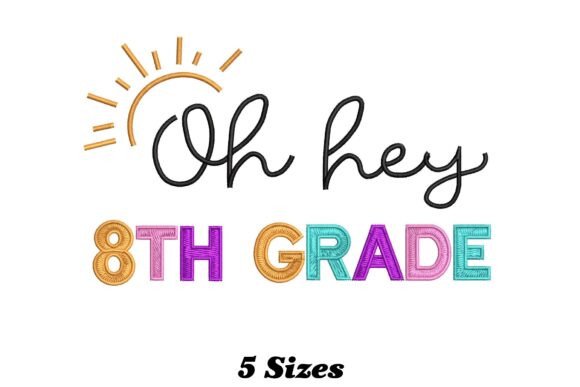
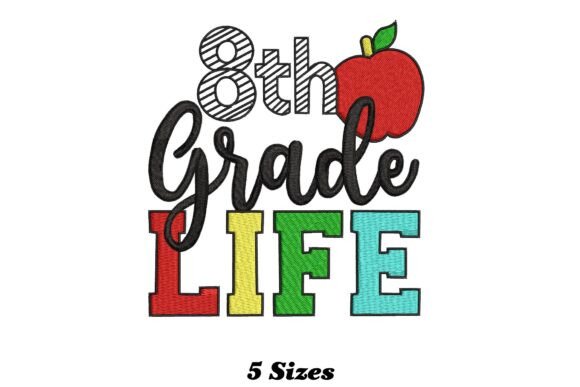
As an embroidery designer who has spent years digitizing and testing files for commercial use, I approach every new machine embroidery design with a critical eye. It is not just about whether a pattern looks cute on a screen; it is about how that digital embroidery file translates into a tangible asset for a small business. When I first loaded the 8th Grade Life design into my software, my immediate impression was one of playful nostalgia mixed with a distinctively handmade charm. The description promises a "dash of charm" and a "whimsical touch," and visually, the design delivers on this front. However, for boutique owners, Etsy sellers, and apparel decorators, the real question is whether this whimsy can withstand the rigors of commercial production while elevating brand identity.
Visual Personality and First Impressions
The aesthetic of 8th Grade Life leans heavily into the nostalgic and friendly spectrum. It does not scream corporate minimalism; instead, it feels approachable, rustic, and deeply human. For businesses in the creative sector—such as independent bookstores, bakeries, florists, or craft studios—this personality is gold. In a market saturated with sleek, vector-based logos, a design that feels slightly imperfect and hand-crafted can significantly boost customer trust. It signals that the handmade product or service behind the brand values personality over sterile perfection. The typography and graphical elements suggest a vibe that works exceptionally well for staff uniforms in casual environments or as a decorative accent on customer gifts.
Evaluating Real-World Business Applications
To truly understand the value of this embroidery file, we must look beyond the digital preview and imagine it stitched onto actual goods. Here is how 8th Grade Life performs across various commercial applications:
- Embroidered Patches: This is arguably the strongest use case. The design's bold lines and playful nature make it ideal for iron-on or sew-on patches. A local coffee shop could use these as loyalty rewards, or a pet brand could attach them to bandanas. The whimsical style stands out beautifully against denim or canvas backings.
- Staff Uniforms and Aprons: For a boutique or a creative studio, adding this design to the chest pocket of a work shirt or the bib of an apron embroidery project adds a layer of approachability. It breaks the ice with customers and reinforces a fun, relaxed company culture.
- Cap Embroidery: Placing this on the front or side of a dad hat or trucker cap creates instant small business merch appeal. However, care must be taken regarding the curvature of the cap front to ensure the text remains legible.
- Tote Bag Design: Tote bags are a staple for markets and events. The "whimsical touch" mentioned in the product description shines here, turning a simple bag into a statement piece that customers will want to carry around town, effectively acting as mobile advertising.
- Event Merch and Customer Gifts: Whether for a school fundraiser (fitting the School category) or a community workshop, this design serves as an excellent commemorative mark that feels personal rather than mass-produced.
Critical Considerations for Production
While the artistic merit of 8th Grade Life is high, a professional reviewer must address the technical challenges of commercial embroidery. Not every fabric or location is suitable for every design. Based on the visual complexity implied by "whimsical" details, here are the areas where caution is required:
First, consider stitch density. Whimsical designs often rely on varied textures which can lead to high stitch counts. If you are applying this to a lightweight fabric, such as a thin poly-blend t-shirt, you risk puckering or fabric distortion. Always test on a scrap piece of your intended material first. Second, be wary of tiny lettering if the design includes small text elements. On curved surfaces like cap fronts or when scaled down for a small patch, fine details can merge together, becoming unreadable blobs of thread.
Furthermore, thread colors play a massive role in the final outcome. On dark uniforms, ensure there is sufficient contrast. A light, playful design might get lost on a navy or black background without proper underlay or outlining. Finally, consider the durability factor. Items like aprons and work shirts undergo frequent washing. Ensure the satin stitches or fill areas are dense enough to withstand industrial laundering without fraying.
Impact on Brand Identity and Customer Perception
Incorporating 8th Grade Life into your product line does more than just decorate fabric; it shapes perception. For a handmade brand, consistency is key to recognition. Using a design that feels authentic and slightly retro can differentiate your finished product from competitors using generic clipart. It enhances the perceived value of the item, making a simple tote bag or cap feel like a curated collectible. This emotional connection drives buyer engagement. When a customer sees a design that evokes nostalgia or joy, they are more likely to engage with the brand, share photos on social media, and return for future purchases. It transforms a transaction into an experience.
Practical Notes for the Embroidery Professional
Before committing to a large production run, I recommend following these specific steps to ensure quality control:
- Test in Black and White: Before selecting your vibrant thread palette, stitch the design in a single color. This helps you evaluate the spacing and clarity of the elements without the distraction of color blending.
- Check Scalability: Verify that the design holds up at the smallest size you intend to use, particularly for patches or sleeve details. If details vanish at 2 inches, you may need to simplify the digitizing.
- Review Thread Contrast: Ensure your chosen thread colors pop against the specific fabric texture you are using. High-contrast combinations usually yield the most professional results.
- Confirm Hoop Size: Check the dimensions of the design against your machine's capabilities. You do not want to start a job only to realize the hoop size is insufficient.
- Use Proper Stabilizer: Given the potential for whimsical, varied stitching, pairing the design with the correct cut-away or tear-away stabilizer is crucial to prevent shifting during the stitch-out.
- Create a Printable Mockup: Before stitching, create a printable mockup to show your client. This manages expectations and allows for approval on placement and sizing.
- Verify Licensing: Since this is for custom apparel and resale, always confirm the commercial licensing terms of the design assets before selling the final goods.
In conclusion, 8th Grade Life is a versatile and charming addition to any embroiderer's library, particularly for those serving the lifestyle, education, and creative markets. While it requires careful attention to fabric choice and scaling, its ability to convey warmth and personality makes it a powerful tool for building a memorable brand. By respecting the technical limitations and leveraging its aesthetic strengths, small business owners can turn this simple embroidery file into a cornerstone of their merchandise strategy.