Coffee and Books: A Craft Fair Best-Seller Review
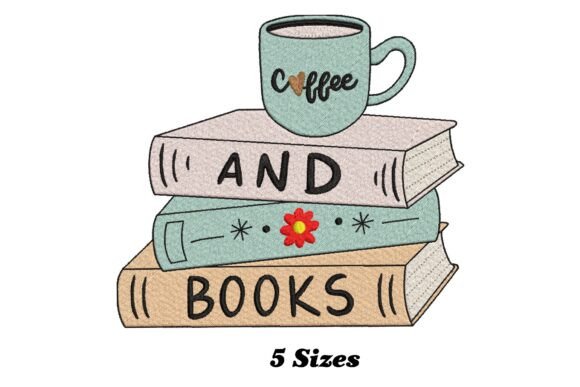
As an embroidery designer who has spent countless weekends manning booths at local craft fairs and handmade markets, I know that the difference between a design that gathers dust and one that flies off the table often comes down to relatability. When I first pulled up the Coffee and Books machine embroidery design, my immediate reaction was that this is a quintessential craft fair product. It hits the sweet spot of cozy, lifestyle-driven aesthetics that resonate deeply with shoppers looking for unique, personalized items. The description promises a "charming" and "whimsical touch," and in my experience, those are the exact keywords that drive impulse buys for handmade products.
The first impression of Coffee and Books is undeniably warm and inviting. It feels less like a rigid academic symbol and more like a celebration of slow living. While the product category is listed as "School," the vibe leans heavily into the modern farmhouse or cozy cottage aesthetic. This duality is powerful; it allows the design to work for teachers returning to the classroom while simultaneously appealing to the vast market of book lovers and caffeine enthusiasts who have nothing to do with education. For an Etsy seller or boutique maker, this versatility is gold. It means you aren't limited to a single seasonal rush; you can sell this year-round.
Visual Impact on Market Products
When setting up a booth display, visual hierarchy is everything. I imagine placing Coffee and Books on a variety of substrates to see where it shines brightest. On a natural canvas tote bag design, this motif acts as a perfect focal point. The contrast of colorful threads against unbleached cotton creates an instant eye-catcher from three feet away. Shoppers walking the aisles are drawn to items that reflect their identity, and declaring a love for coffee and reading is a universal badge of honor.
Moving to the kitchen sector, apron embroidery and tea towel embroidery are logical next steps. Here, the whimsical nature of the design adds personality to utilitarian items. A waffle-weave tea towel with this stitched near the hem feels premium and giftable. However, one must be mindful of fabric texture. If the towel is too looped or textured, fine details in the books or steam rising from the coffee cup might get lost. For these applications, I recommend using a cut-away stabilizer to prevent puckering, ensuring the finished product looks crisp after multiple washes.
For smaller small shop products like fabric pouches or embroidered patches, the scale becomes critical. Coffee and Books needs to be evaluated for its clarity at reduced sizes. If the lettering is too small or the stitch lines too close together, the design could turn into a muddy blob on a two-inch patch. As a producer, I would test a sample at the smallest intended size before committing to a batch. If it holds up, these make excellent add-on sales at the checkout counter, increasing the average transaction value per customer.
Production Practicality and Batch Selling
From a production standpoint, the viability of Coffee and Books depends on its stitch density and complexity. For a busy craft fair season, repeatability is key. If the design features excessive satin stitching or complex fill patterns that require frequent thread changes, it slows down the assembly line. Ideally, this design should utilize a manageable number of thread colors to keep production moving. A design that takes forty minutes to stitch might be beautiful, but if you can only make five units a day, your inventory will suffer. Conversely, a streamlined version of this motif could allow for batch production of dozens of units, ensuring your booth stays stocked.
Photography is another crucial element for the digital side of the business. Whether you are listing on Etsy or promoting via social media, Coffee and Books photographs exceptionally well because of its recognizable shapes. Creating a printable mockup or staging real photos with props like actual coffee beans and vintage hardcovers can enhance the perceived value. The design assets provided in the digital embroidery file should be high resolution to ensure your marketing materials look professional. A strong visual presentation convinces the online buyer that the commercial embroidery quality matches the image.
Critical Considerations for Designers
Before running this design commercially, there are several technical factors to review. First, check the hoop size requirements. If the design is large, it may not fit on standard caps without re-digitizing or resizing, which can distort the aspect ratio. Speaking of caps, the curved surface presents a challenge; dense areas might cause the fabric to pucker or the design to pull. Always test on scrap fabric that matches your final product material.
Color contrast is vital. If you plan to stitch this on dark fabrics, ensure the design includes underlay stitches or suggests light thread colors that pop. Dark-on-dark embroidery often fails to catch the customer's eye in a crowded market. Additionally, inspect the small lettering. In many "Coffee and Books" style designs, the text can be intricate. If the font is too thin, it may break during washing or wear down quickly. Verify that the spacing between letters and the coffee cup graphic is sufficient to maintain structural integrity.
Finally, never assume license terms. The description mentions sprucing up fabrics for various items, but you must confirm the specific licensing agreement attached to the embroidery file. Some designers allow unlimited physical sales but restrict digital redistribution. Ensuring you have the right to sell finished products commercially protects your business from legal issues down the road.
In conclusion, Coffee and Books has all the hallmarks of a winner for the handmade market. Its emotional resonance with buyers, combined with its adaptability across tote bags, home decor, and accessories, makes it a versatile addition to any catalog. By paying attention to stitch density, fabric compatibility, and production efficiency, embroidery business owners can leverage this charming design to create a cohesive and profitable product line. Whether for a school fundraiser or a weekend artisan market, this design brings a touch of warmth that customers are eager to take home.