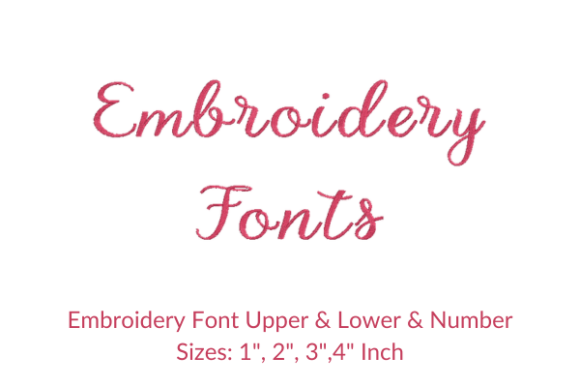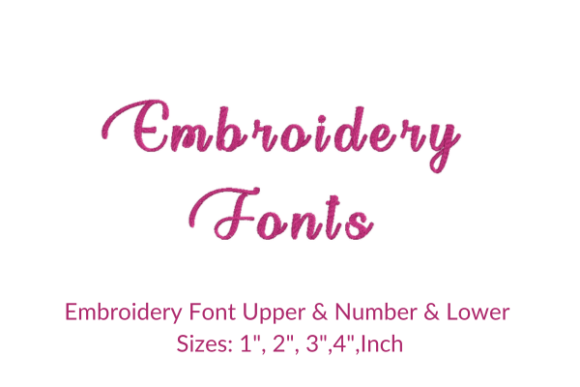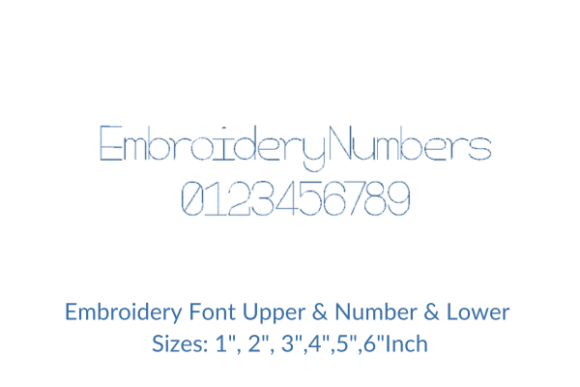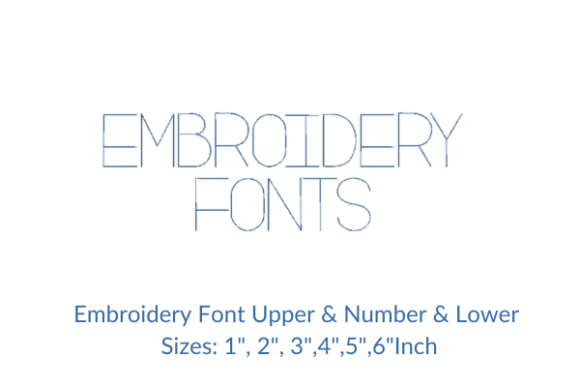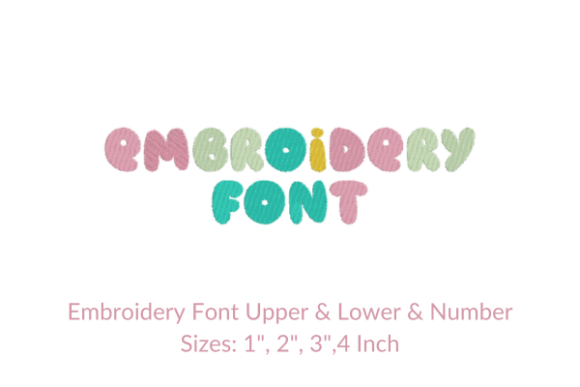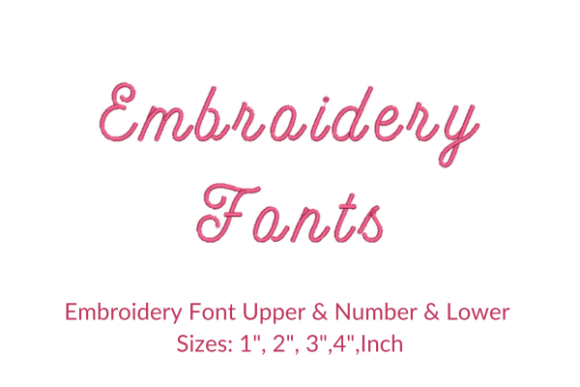
Goodtime Font Embroidery Design Review
As an embroidery designer who spends countless hours digitizing and testing files for the upcoming holiday rush, I am always on the lookout for typefaces that strike the perfect balance between readability and decorative charm. When I first loaded the Goodtime Font Embroidery Design into my software, my immediate impression was one of effortless joy. This is not just a font; it is a mood setter. It feels playful yet polished, making it an ideal candidate for seasonal collections that need to stand out in a crowded marketplace. For those of us running small shops or managing Etsy storefronts, finding a versatile machine embroidery design that works across multiple product categories is rare. This particular font seems to bridge that gap effectively.
First Impressions: The Seasonal Mood
The aesthetic of the Goodtime font leans heavily into a nostalgic, cozy vibe. It does not scream "modern minimalist," nor does it feel overly ornate like traditional script fonts. Instead, it sits comfortably in a space that feels approachable and warm. For holiday embroidery, this is crucial. Customers are looking for items that evoke feelings of home, family, and comfort. Whether you are creating products for Christmas, Thanksgiving, or general winter celebrations, the emotional tone of this font supports a narrative of togetherness.
In terms of detail level, the design appears clean without being sparse. The stitches flow smoothly, suggesting that the digitizer paid attention to pull compensation and underlay. This is vital when you consider how the text will look on various fabric textures. A font that is too thin might get lost on a fluffy towel, while one that is too dense can pucker lightweight cotton. From my initial review, the Goodtime Font Embroidery Design seems to have a balanced stitch density that should perform well on medium-weight fabrics, which are staples in seasonal gift-giving.
Real-World Applications for Holiday Sellers
When planning a seasonal shop collection, versatility is key. You want a single digital embroidery file that can be adapted for various price points and product types. Here is how I envision using this font in a real-world selling scenario:
- Sweatshirt Embroidery: This is perhaps the strongest use case. The playful nature of the font looks fantastic on crewnecks and hoodies. Imagine personalizing these with family names for matching holiday pajama sets or cute phrases like "Cozy Vibes" for individual sales. The font’s structure holds up well against the fleece texture, provided you use the right stabilizer.
- Kitchen Towel Embroidery: Personalized kitchen linens are huge sellers during the holiday season. Using this font to embroider last names or festive quotes on flour sack towels creates an instant handmade gift appeal. The open spacing in the letters allows the texture of the towel to show through slightly, adding to the rustic charm.
- Tote Bag Design: For shoppers looking for reusable gift bags or everyday carryalls, this font adds a touch of whimsy. It works well for school-related items too, bridging the gap between the Product Category of School and holiday gifts for teachers or students.
- Pillow Covers and Home Decor: A simple monogram or a short word like "JOY" or "HOME" stitched in this font can elevate a plain pillow cover. It serves as an affordable entry-point product for customers who want to refresh their living room decor for the holidays without buying entirely new furniture.
- Embroidered Patches: If you offer iron-on or sew-on patches, this font is legible even at smaller sizes. These can be sold as add-ons to increase average order value or used to customize denim jackets and backpacks.
Navigating Technical Challenges
While the design is promising, no embroidery file is universal. There are specific scenarios where you must exercise caution. As an experienced designer, I advise testing the Goodtime Font Embroidery Design carefully in the following situations:
- Small Hoop Sizes: If you are stitching on a 4x4 hoop, ensure the lettering remains legible. Tiny details can merge if the stitch count is too high for the resolution. Always check the smallest size included in the file package.
- Dark Fabric and Thread Colors: Light thread on dark fabric can sometimes reveal the underlay or bobbin thread if the tension is not perfect. Test your thread colors on both light and dark fabric to ensure the final product looks premium.
- Stretchy Garments: When applying this font to knit fabrics like t-shirts or baby onesies, the choice of stabilizer is critical. A cut-away stabilizer is usually recommended to prevent distortion after washing. Since this is likely intended for personalized gifts that may be washed frequently, durability is paramount.
- Metallic Thread: Holiday designs often call for gold or silver metallic threads. These threads are more brittle and prone to breaking. If you plan to use metallics with this font, slow down your machine speed and ensure the pathing in the embroidery file does not have excessive jumps or tight turns that could snap the thread.
Boosting Seasonal Appeal and Brand Value
Using a consistent font like Goodtime across your product line helps build brand recognition. When a customer sees that distinct, playful lettering on a tote bag, a pillow, and a sweatshirt, they begin to associate that style with your shop. This consistency builds trust. Furthermore, the "giftability" of a product is significantly enhanced by personalization. A generic item is just a commodity; a personalized item is a memory. By using this font to add names or dates, you transform a simple piece of fabric into a cherished keepsake.
For Etsy sellers and small business owners, the visual impact of your listings is everything. Create realistic mockups that show the texture of the stitches. A high-quality printable mockup can help customers visualize the finished product before they buy. Show the font on a cozy sweater draped over a chair, or on a towel hanging in a sunlit kitchen. These lifestyle images, combined with the inherent charm of the Goodtime Font Embroidery Design, can significantly increase engagement during the hectic holiday shopping period.
Practical Designer Notes for Best Results
Before you launch your seasonal collection, take these practical steps to ensure quality control:
- Check Stitch Density: Review the density settings in your embroidery software. If the design feels too stiff on lighter fabrics, you may need to adjust the pull compensation or reduce density slightly if you have the editable source file.
- Confirm Hoop Size: Ensure you have the correct hoop size for your machine. Most commercial embroidery files come in multiple sizes, but always double-check that the largest size fits your available hoops.
- Use Proper Stabilizer: Match your stabilizer to your fabric. Tear-away for stable woven fabrics, cut-away for knits, and water-soluble for freestanding lace or delicate items.
- Review Small Details: After stitching a test sample, inspect the connections between letters. Are there any loose threads or gaps? Address these in your finishing process to maintain a professional look.
- Commercial Licensing: Always confirm the license terms before selling finished seasonal products. While this is a high-quality embroidery font that will help you personalize your designs, you must ensure you have the right to use it for commercial embroidery sales.
In conclusion, the Goodtime Font Embroidery Design is a strong contender for any designer looking to expand their holiday offerings. Its blend of playfulness and clarity makes it suitable for a wide range of applications, from school-themed items to cozy home decor. By understanding its strengths and respecting its technical limitations, you can create beautiful, high-demand products that resonate with customers seeking that perfect handmade touch.