Reviewing Kindergarten Rainbow for Boutique Sweatshirts
As an embroidery designer who has spent years digitizing and stitching for small clothing brands, I approach every new machine embroidery design with a critical eye. It is not just about whether the file runs; it is about how that design translates into a tangible asset for a boutique brand. Recently, I evaluated the Kindergarten Rainbow design with a specific project in mind: a limited-edition drop of premium sweatshirts for a growing online shop. This review breaks down how this whimsical piece performs when moved from a digital screen to heavy cotton blends.
First Impressions and Design Mood
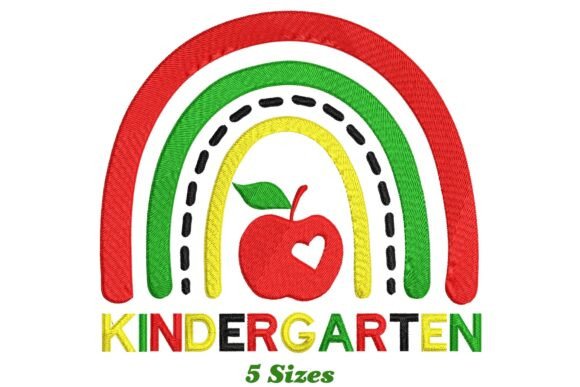
The moment I loaded the digital embroidery file for Kindergarten Rainbow, the mood was immediately clear. True to its name, the design exudes a playful, nostalgic energy that fits perfectly within the School category while remaining versatile enough for lifestyle apparel. The layout suggests a charming, hand-drawn aesthetic rather than a rigid, geometric vector look. For a designer, this "stitching personality" is crucial. It tells a story of handmade warmth, which is exactly what customers look for when buying from an Etsy seller or a small independent label.
The detail level appears balanced. It avoids the trap of being too intricate for smaller applications while maintaining enough character to stand out as a focal point. When visualizing the finished product, I see a design that feels both cute and decorative. It strikes a nice balance between bold enough to be noticed on a chest pocket and minimal enough not to overwhelm a clean, oversized silhouette.
Visualizing the Drop: Fabric and Placement
For this hypothetical sweatshirt collection, fabric choice dictates the success of any embroidery file. I imagined testing Kindergarten Rainbow across several textures common in custom apparel:
- Neutral Sweatshirts: On heather grey or oatmeal fleece, the rainbow motif pops with a soft, rustic charm. The contrast here relies heavily on the thread colors chosen. A saturated palette against a neutral background creates a high-end, boutique feel.
- Dark Fabrics: Placing this design on navy or charcoal requires careful consideration of brightness. To maintain readability, the digitizer must ensure the lighter colors in the rainbow are bright enough to cut through the dark fabric texture without getting lost.
- Pastel Colors: On blush pink or mint green hoodies, the design leans into a feminine, cozy seasonal vibe. Here, the Kindergarten Rainbow acts as a subtle accent rather than a loud statement, perfect for spring collections.
- Oversized Hoodies: For larger garments, this design works exceptionally well as a left-chest logo or a sleeve accent. It adds a touch of personality without making the garment look like a uniform.
Regarding placement, the versatility of this hoodie design is a major selling point. While a standard left-chest placement is safe and professional, I could easily see this scaled up for a back yoke design or centered lower on the belly for a trendy, streetwear look. For lifestyle product photography, these varying placements offer diverse content for social media, showing potential buyers how the small shop product can be styled.
Technical Considerations for Production
Moving from concept to production brings up practical concerns that every commercial embroidery operator knows well. Before running a full batch, one must evaluate the technical specs of Kindergarten Rainbow.
Stitch Density and Fabric Thickness: Sweatshirts often involve thick seams and multiple layers of fleece. If the stitch density of the design is too high, it can cause puckering or make the fabric stiff. A good review involves checking if the design allows the fabric to drape naturally. For a premium feel, the stitching should sit on top of the fabric rather than sinking in.
Stabilizer Choice: Given the likely use of stretchy knits or heavy fleece, the choice of stabilizer is non-negotiable. A cut-away stabilizer is usually recommended for sweatshirt embroidery to ensure long-term durability. Since this design is intended for items that will be washed frequently, the stability of the stitches under tension is vital for buyer trust.
Readability at Small Sizes: If used as a sleeve accent or on a toddler-sized item, the smallest text or fine lines in the rainbow arches must remain distinct. Blending threads or overly fine satin columns can disappear after a few wash cycles. It is essential to verify the minimum hoop size requirements and test stitch-out on scrap fabric before committing to the final run.
Note on Specifications: As the provided description mentions sprucing up fabrics for t-shirts and home decor but does not list exact stitch counts, specific file formats, or precise hoop dimensions, it is imperative to check the download details or contact the creator before production. Knowing whether you are working with a PES, DST, or EXP file, and understanding the license terms for commercial embroidery, protects your business from technical hiccups and legal issues.
Impact on Brand Identity and Value
In the world of handmade goods, the embroidery is often the primary indicator of quality. Using a well-executed design like Kindergarten Rainbow elevates a basic sweatshirt into a handmade product with perceived higher value. Customers are willing to pay more for items that feature unique, tactile details that mass-printed shirts cannot replicate.
This design aids in building brand identity. If a shop consistently uses whimsical, high-quality embroidery, customers begin to recognize that visual language. It fosters customer engagement; people love sharing photos of cute, detailed apparel on social media, effectively providing free marketing through printable mockup previews and real-life unboxing videos.
Furthermore, the durability of the embroidery directly influences buyer trust. If the Kindergarten Rainbow holds up after repeated washing without fraying or fading, it validates the price point and encourages repeat purchases. It transforms a simple transaction into a relationship based on quality and reliability.
Final Verdict for Creative Entrepreneurs
For creative entrepreneurs looking to expand their design assets, Kindergarten Rainbow offers a strong foundation for a seasonal collection. Its adaptability across different fabric colors and garment types makes it a versatile tool in a designer's arsenal. Whether used for a cozy winter drop or a back-to-school promotion, the design carries the right emotional weight to connect with audiences seeking comfort and joy.
However, success lies in the execution. Taking the time to select the right thread colors, pair the design with appropriate stabilizers, and choose the correct placement will determine whether this design feels like a generic add-on or a integral part of a premium brand story. By treating Kindergarten Rainbow not just as a file, but as a component of a larger brand narrative, small businesses can create custom apparel that stands out in a crowded marketplace.