Sacramento Font Review: A Designer’s Take on Personalized Embroidery
As an embroidery designer who spends more time staring at digitized stitches than I do sleeping, I am always cautious about adding new fonts to my library. There is a significant difference between a font that looks pretty on a screen and one that sews out cleanly on textured fabric. Recently, I explored the Sacramento Font available on Creative Fabrica, specifically looking for a versatile typeface that could elevate my custom apparel and handmade gift offerings. After reviewing its potential for real-world projects, I want to share my honest assessment of how this design performs in a professional setting.
First Impressions and Visual Mood
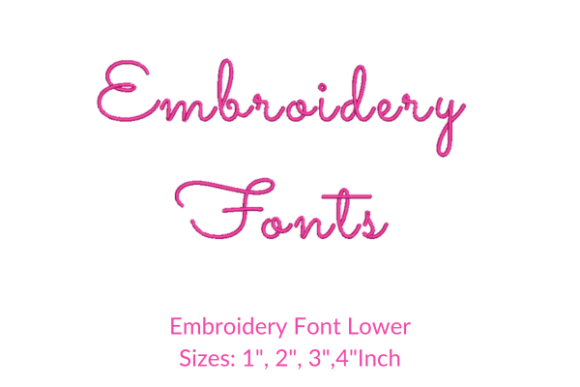
The first thing that strikes you about Sacramento Font is its clean, approachable aesthetic. It carries a classic vibe that feels right at home in the School category, yet it is refined enough for boutique merchandise. The lettering has a balanced weight, avoiding the extremes of overly thin lines that might disappear on thick towels or excessively bold fills that can cause puckering on lightweight fabrics.
For designers, the visual mood is crucial. This font exudes a sense of nostalgia and warmth, making it an excellent choice for personalized gifts. Whether you are creating a monogram for a nursery decor piece or adding a name to a kindergarten backpack, the style feels intentional and high-quality. It does not scream "digital default"; instead, it offers a stitching personality that suggests care and craftsmanship.
Real-World Application for Handmade Products
When I consider a new machine embroidery design, I immediately visualize where it will end up. Sacramento Font is remarkably versatile. Here is how I see it fitting into various product lines:
- Custom Apparel: The clarity of the letters makes it ideal for sweatshirt embroidery. It reads well across the chest or on the sleeve without looking cluttered.
- Tote Bag Design: For canvas bags, you need a font with enough presence to stand out against the weave. This font provides that structure, making it perfect for adding names or short quotes.
- Baby Items and Nursery Decor: Softness is key here. The font’s gentle curves work beautifully on baby blankets and pillow covers, offering a sweet, personalized touch for new parents.
- Kitchen Textiles: Aprons and kitchen towels benefit from durable, legible text. This font holds up well for labeling or adding witty quotes that withstand frequent washing.
- Embroidered Patches: If you are creating patches for caps or jackets, the defined edges of this font allow for clean cutting and application.
For Etsy sellers and small business owners, versatility translates to inventory efficiency. One well-digitized font can serve multiple product categories, from seasonal handmade gifts to year-round boutique merchandise.
Technical Performance and Stitching Considerations
While the visual appeal is strong, the technical execution is what determines whether a design is worth your time. When working with any embroidery file, understanding stitch behavior is paramount. Although specific technical data like stitch count and exact file formats are not detailed in the brief description, experienced digitizers know what to look for.
Stitch Density and Fabric Choice
Sacramento Font appears to have a moderate stitch density. This is generally a good sign. Overly dense fonts can cause fabric to pucker, especially on stretchy materials like jersey knits used in t-shirts. Conversely, too little density can look sparse on plush fabrics like towels. I recommend always testing on scrap fabric first. If you are stitching on dark fabric, ensure your thread colors provide sufficient contrast, as the legibility of the font relies on clear definition.
Hoop Size and Lettering Scale
One common challenge with embroidery fonts is scaling. If you shrink Sacramento Font too much for tiny lettering, the details may merge, resulting in a blob rather than a letter. Always confirm the minimum recommended size by checking the product details on the Creative Fabrica page. For larger projects, such as a tote bag or a back panel of a jacket, the font scales up nicely, maintaining its structural integrity.
Stabilizer Selection
To get the best result, pair this design with the appropriate stabilizer. For woven fabrics like cotton aprons or canvas totes, a cut-away stabilizer often provides the best long-term durability. For knit fabrics, a tear-away with a topping might be necessary to prevent the stitches from sinking into the pile. Proper stabilization ensures that the finished product looks professional and retains its shape after washing.
Enhancing Product Value and Brand Consistency
In the world of commercial embroidery, presentation is everything. Using a high-quality font like Sacramento Font can significantly affect buyer trust. When customers see crisp, well-defined lettering on a personalized gift, they perceive higher value. It signals that the maker pays attention to detail.
For creative entrepreneurs, brand consistency is vital. If your shop specializes in classic, heartfelt items, this font aligns perfectly with that brand identity. It enhances the visual appeal of your product photography, making your listings stand out in a crowded marketplace. A clean, professional font reduces visual noise, allowing the customer to focus on the personalization aspect—their name, their date, their quote.
Moreover, using reliable design assets reduces the risk of production errors. Fewer re-stitches mean higher profit margins and faster turnaround times. This efficiency is crucial for small business owners managing multiple orders during peak seasons.
Practical Tips for Using Sacramento Font
Before you dive into your next project with this Creative Fabrica embroidery asset, keep these practical notes in mind:
- Check File Details: Always review the product page for included file formats (such as PES, DST, or JEF) to ensure compatibility with your specific embroidery machine.
- Test on Scrap Fabric: Never stitch a final product without a test run. Check for thread breaks, tension issues, and overall appearance.
- Review Licensing: Confirm the license terms on Creative Fabrica. Most designs allow for commercial use of finished products, but it is essential to verify this before selling items like custom apparel or embroidered patches.
- Mockup Verification: Use printable mockups to visualize how the font looks on different colored fabrics. This helps in marketing your digital embroidery file or finished products effectively.
- Thread Color Contrast: Experiment with thread colors. A tonal look can be subtle and elegant, while high-contrast colors make the text pop. Choose based on the intended use of the item.
Final Verdict for Embroidery Designers
Sacramento Font is a solid addition to any embroidery designer’s toolkit. It bridges the gap between playful and professional, making it suitable for a wide range of applications from school-related items to sophisticated home decor. Its strength lies in its readability and classic style, which appeals to a broad customer base.
For those creating handmade products, this font offers the reliability needed for commercial embroidery. It simplifies the design process, allowing you to focus on creativity and customer service rather than troubleshooting poor digitization. As with any tool, success depends on proper technique—correct hooping, stabilizing, and thread selection. But with those basics in place, Sacramento Font delivers a polished, professional finish that enhances the perceived value of your work.
If you are looking to expand your library with a versatile, high-quality typeface that performs well on various fabrics, this design is worth considering. It supports the creation of beautiful, personalized gifts that customers cherish, helping you build a reputable and successful embroidery business.