Second Grade Teacher: A Whimsical Design Review
As a designer who spends more time at the hoop than away from it, I approach every new machine embroidery design with a mix of curiosity and caution. We all know that a digital preview on a screen looks perfect, but the real test is how those stitches lay down on actual fabric. Recently, I took a close look at the Second Grade Teacher design, a playful piece categorized under School themes. My goal wasn't just to admire the artwork, but to evaluate its viability for real-world embroidery project use, whether for a personal gift or a line of products for an Etsy seller.
First Impressions and Visual Personality
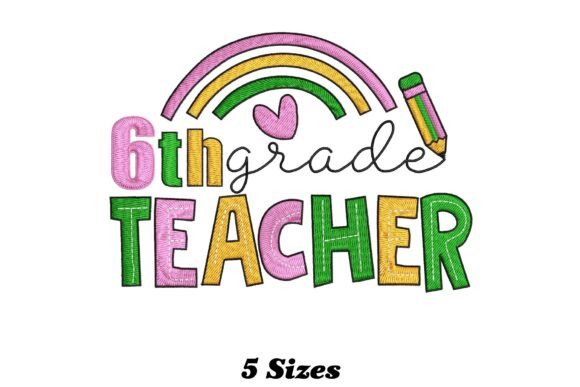
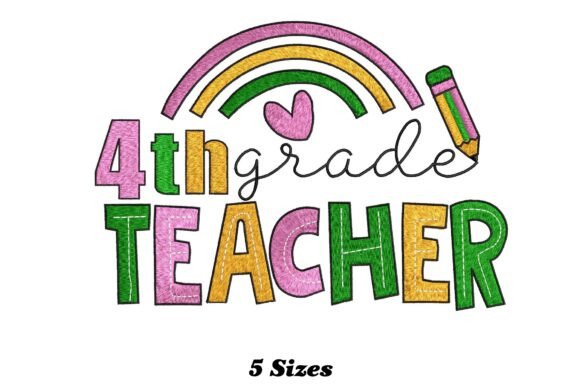
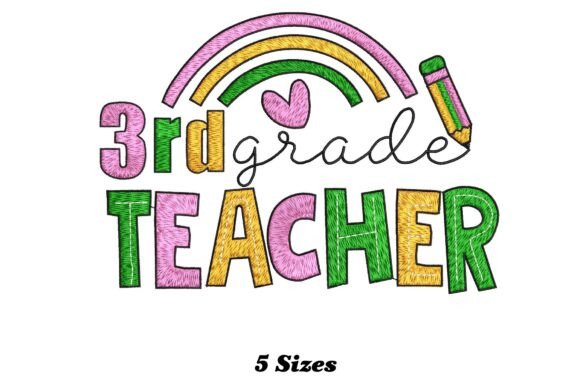
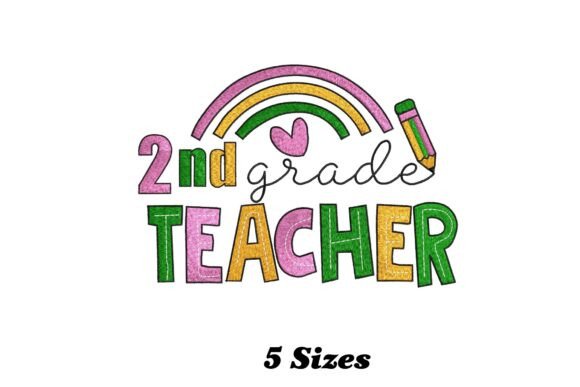
The moment I loaded the digital embroidery file into my software, the charm mentioned in the description became immediately apparent. This isn't a stiff, overly formal academic motif; it has a whimsical, hand-drawn quality that feels inviting. The layout suggests a balance between fun and function, which is crucial when creating items for educators who often appreciate a touch of personality in their workspace or wardrobe.
The visual personality of Second Grade Teacher leans heavily into the "cute" aesthetic without crossing into childish territory. For a designer, this is a sweet spot. It means the design can work on a teacher's casual Friday t-shirt just as well as it can on a decorative pillow for a classroom reading nook. The shapes appear clean, suggesting that the transition from vector art to stitch data was handled with care. However, the true test of any embroidery file is how it handles the nuances of thread and fabric interaction.
Real-World Application Scenarios
To truly gauge the potential of this design, I imagined several specific production scenarios. Picture a local boutique owner preparing a batch of custom tote bags for a back-to-school promotion. The Second Grade Teacher motif would be the centerpiece here. On a canvas tote bag design, the playful nature of the art adds a layer of approachability that generic text-only designs lack. It transforms a simple utility item into a conversation starter.
Another strong use case is sweatshirt embroidery. Teachers often spend long hours in cool classrooms, and a cozy crewneck featuring this design makes for an excellent personalized gift from students or parents. The whimsical touch brings a bit of lightness to the profession. I could also see this working beautifully as an embroidered patch. If you are running a craft business that specializes in iron-on or sew-on patches, this design's clear outlines would likely translate well to a merrowed edge or a satin border, creating a high-value small shop product.
For those focusing on home goods, consider a kitchen towel or a nursery decor item. The description hints at home decor, and I agree. A tea towel with this motif hanging in a teacher's lounge or a kitchen at home serves as a subtle nod to their profession. It fits perfectly into the realm of holiday embroidery gifts, particularly for end-of-year presents or Teacher Appreciation Week, where the demand for thoughtful, themed items spikes.
Technical Considerations and Fabric Compatibility
While the aesthetic is strong, a professional reviewer must address the technical realities of stitching. The description mentions suitability for t-shirts and towels, but we need to dig deeper into fabric textures. When working with custom apparel, especially stretchy knits found in t-shirts, stitch density becomes a critical factor. If the Second Grade Teacher design has dense fill areas, it could cause puckering on thin fabrics. My advice is to always test the design on scrap fabric that matches your final material.
Textured fabrics like terry cloth towels present another challenge. The loops of the towel can sometimes swallow up finer details. If this design relies on small running stitch details or tiny lettering, those elements might get lost or look jagged on a plush towel. In such cases, using a water-soluble topper is non-negotiable to ensure the finished product looks crisp. Similarly, if you are attempting this on a cap, remember that curved surfaces distort designs. You must verify the hoop size compatibility and ensure the design isn't too wide for the front panel of the hat.
Dark fabrics require special attention to thread colors. A whimsical design often relies on bright, cheerful hues. On a navy or black sweatshirt, you may need to adjust the underlay or add a backing layer to prevent the dark fabric from showing through the lighter stitches, which can muddy the visual appeal. Always check the contrast between your thread palette and the base material before committing to a full production run.
Enhancing Brand Value and Customer Trust
For commercial embroidery professionals and handmade creators, the quality of your design assets directly impacts your brand consistency. Using a well-executed design like Second Grade Teacher signals professionalism. When a customer receives a product where the stitches are clear, the shapes are distinct, and the overall presentation is polished, it builds trust. It tells them that you care about the details.
This design has the potential to elevate the perceived value of your items. A simple tote bag becomes a boutique item; a standard apron becomes a cherished keepsake. In the competitive world of online marketplaces, having unique, high-quality design assets helps your listings stand out. When creating printable mockups for your digital store, ensure the mockup accurately reflects the texture and dimension of the embroidery. Misleading images can lead to disappointed customers, so honesty in presentation is key to maintaining buyer engagement.
Practical Notes for the Studio
Before you start stitching for clients or listing items for sale, here are a few practical steps I recommend:
- Test First: Never skip the sample stitch-out. Use scrap fabric to check for registration issues or thread breaks.
- Check Density: Inspect the stitch density in your software. If it looks too heavy, consider editing the fill patterns to reduce bulk.
- Stabilizer Selection: Match your stabilizer to the fabric. Cut-away is usually best for stretchy garments to prevent distortion over time, while tear-away works for stable woven fabrics like towels.
- Licensing Verification: Since this is a digital product, confirm the licensing terms. Can you sell the finished product? Are there restrictions on the number of items? Always clarify this before launching a craft business line based on someone else's art.
- Mockup Testing: View the design in black and white to ensure the contrast holds up even without color. This helps identify if any details are too fine.
In conclusion, the Second Grade Teacher design offers a delightful blend of charm and utility. It fits naturally into the School category but possesses enough versatility for broader applications. Whether you are a hobbyist making a gift or an apparel decorator fulfilling orders, this embroidery motif has the potential to create happy, high-quality results. Just remember that the secret to success lies in respecting the materials, understanding the machine's limits, and always prioritizing the quality of the final stitch.