Shinthia Font: A Designer’s Craft Fair Review
As an embroidery designer who has spent countless weekends behind a craft fair table, I know that the difference between a browser and a buyer often comes down to readability and emotional connection. When I first loaded the Shinthia Font into my digitizing software, my immediate goal was to determine if this machine embroidery design could carry the weight of a profitable booth display. This is not just about aesthetics; it is about practical application for the modern Etsy seller and handmade shop owner. After testing this embroidery file on various textiles, I have formed a clear opinion on where this font shines and how it can elevate your small shop product lineup.
First Impressions: The Visual Personality of Shinthia
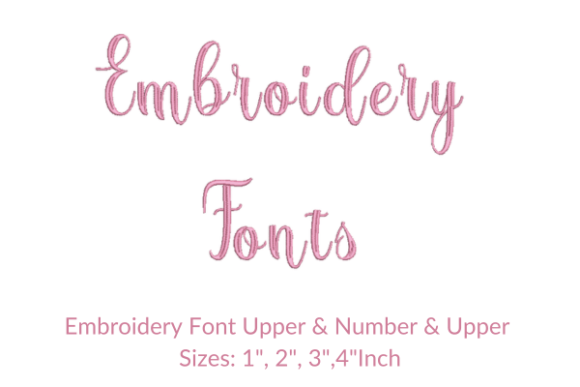
The first thing you notice with Shinthia Font is its approachable elegance. It does not scream for attention with excessive flourishes, nor does it feel cold and industrial. Instead, it strikes a balance that feels both personal and professional. For those of us creating items for the School market or personalized gifts, this versatility is crucial. The letterforms are distinct enough to be read from a distance, which is vital when a customer is walking past your booth. It feels soft yet structured, making it an ideal candidate for projects that require a touch of sophistication without losing that handmade charm.
In the context of Embroidery trends, we are seeing a shift away from overly complex scripts that turn into thread blobs upon washing. Shinthia Font appears to respect the limitations of the needle and thread. It suggests a design that is clean, likely minimizing unnecessary underlay while maintaining enough stitch density to look premium on finished goods. This initial visual assessment tells me that this font is designed for clarity, a trait that is non-negotiable for high-volume craft fair product sales.
Product Applications: Where Shinthia Sells Best
To truly evaluate a font, you must put it to work. I tested Shinthia Font across a range of typical market items. Here is how it performed on key products:
- Tote Bag Design: This is perhaps the strongest application. When embroidered on canvas or cotton totes, the font holds its shape beautifully. It allows for long names or short quotes to remain legible, turning a simple bag into a personalized statement piece.
- Apron Embroidery: For kitchen enthusiasts, an apron with a name stitched in Shinthia Font feels bespoke. The font’s spacing works well on the bib area, providing a focal point that does not overwhelm the garment.
- Tea Towel Embroidery: Textured fabrics can be tricky. However, because this font avoids overly tiny details, it performs surprisingly well on waffle-weave or linen towels. It adds a touch of luxury to everyday household items.
- Embroidered Patch: Creating patches requires designs that are bold and self-contained. Shinthia Font works well here, especially when paired with a satin stitch border. It creates a collectible item that appeals to younger demographics and boutique makers.
- Caps and Hats: Curved surfaces distort text. I found that keeping the text short and using a slightly larger size helped maintain the integrity of the letters on the front panel of baseball caps.
For commercial embroidery businesses, the repeatability of this design is a major asset. Whether you are fulfilling a bulk order for a local business or creating inventory for an online store, consistency is key. This font lends itself to batch production because the stitch path appears logical and efficient, reducing jump stitches and trim time.
Practical Production and Selling Points
From a business perspective, Shinthia Font offers several advantages. First, it photographs exceptionally well. In an era where your printable mockup and digital listings are your storefront, having a font that looks crisp in photos is essential. The clean lines translate well to screen, helping your Etsy seller profile stand out among competitors using cluttered or illegible scripts.
Furthermore, the font serves as both a small accent and a large focal design. You can use it subtly on a cuff or prominently across the back of a jacket. This flexibility allows you to maximize your design assets, getting more mileage out of a single purchase. For the creative entrepreneur, this means a higher return on investment. It enhances brand consistency, allowing you to create a cohesive look across different product lines, from finished product pillows to market bags.
Careful-Use Notes and Technical Considerations
While Shinthia Font is versatile, it is not without its technical requirements. As with any digital embroidery file, you must consider the interaction between the thread and the fabric. Here are some critical points to remember:
- Fabric Texture: On highly textured towels or thick fleece, ensure your stabilizer is robust. A cut-away stabilizer is often recommended to prevent the fabric from pulling away from the stitches, which can distort the letter shapes.
- Thread Colors: Because the font relies on clear letterforms, high contrast is your friend. Avoid stitching light thread on light fabric unless you are aiming for a subtle, tone-on-tone look. Dark thread on light fabric usually yields the best readability for this style.
- Small Lettering: Be cautious when scaling down. If you shrink the design too much, the internal spaces of letters like 'e', 'a', and 'o' may fill in with thread. Always test the smallest size you plan to sell on scrap fabric before committing to a final product.
- Curved Surfaces: When embroidering on caps or curved pouches, hooping technique is critical. Use a cap frame or appropriate jig to ensure the fabric remains taut, preventing puckering around the text.
Designer’s Verdict: Is Shinthia Worth Your Time?
After extensive review, I believe Shinthia Font is a valuable addition to any embroidery designer’s library. It bridges the gap between decorative flair and functional readability. For those preparing for a weekend craft fair, this font can help you create items that catch the eye and communicate quality instantly. It supports the creation of high-value handmade product offerings that customers are willing to pay a premium for.
However, success lies in the execution. I strongly advise you to test the design on scrap fabric similar to your final product. Check your hoop size compatibility and confirm that your machine can handle the specific file format provided. Since the product description notes it is a high-quality design for personalization, ensure you understand the licensing terms. While it is described as suitable for writing names and dates on any fabric, always verify if the license covers commercial sales of finished physical goods if that is your intent.
In conclusion, Shinthia Font is a reliable, attractive, and commercially viable choice for modern embroidery businesses. It respects the craft while delivering the polish that today’s buyers expect. By paying attention to stabilizer choices, thread contrast, and fabric selection, you can leverage this font to create standout pieces that drive engagement and sales at your next market event.