Reviewing 5th Grade Rainbow for Small Business Merch
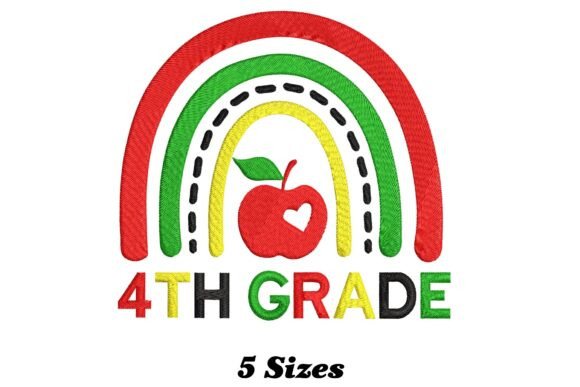
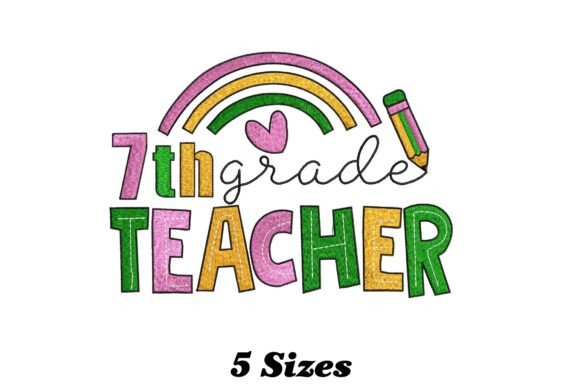
As an embroidery designer who spends countless hours digitizing and testing files for commercial use, I approach every new machine embroidery design with a critical eye. It is not just about whether a pattern looks cute on a screen; it is about how it performs on a cap, how it holds up on a washed apron, and whether it elevates a brand's identity. Today, I am reviewing the 5th Grade Rainbow, a file that initially caught my attention for its playful promise. The product description suggests it brings charm to fabrics, perfect for t-shirts, towels, and home decor. However, for small business owners, boutique creators, and apparel decorators, the real question is: can this whimsical touch translate into professional small business merch that drives sales and builds recognition?
First Impressions: Visual Personality and Brand Fit
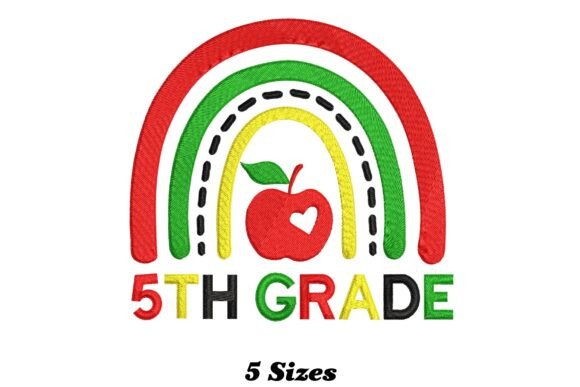
Upon loading the digital embroidery file into my editing software, the first impression of 5th Grade Rainbow is undeniably friendly and bold. The title itself evokes nostalgia and creativity, suggesting a aesthetic that is less corporate stiff and more approachable warmth. For brands in the creative sector—such as bakeries, florists, pet boutiques, or independent craft studios—this visual personality is gold. It signals a handmade product vibe that resonates deeply with modern consumers who value authenticity over mass-produced perfection.
While the design falls under the School category, its application extends far beyond the classroom. In a commercial context, this design feels decorative yet structured enough to serve as a primary logo accent or a secondary brand mark. The "rainbow" element implies diversity and joy, making it an excellent candidate for businesses wanting to project inclusivity and fun. However, because it leans towards the playful side, it might not suit high-end luxury brands unless used ironically or as a specific collection highlight. For most local businesses and Etsy sellers, though, it offers a fantastic balance of elegance and whimsy.
Real-World Application in Commercial Embroidery
The true test of any embroidery file is its versatility across different substrates. I evaluated 5th Grade Rainbow for several key business use cases:
- Embroidered Patches: This is perhaps the strongest use case. A rainbow motif works beautifully as a woven or embroidered patch that can be ironed onto denim jackets, canvas totes, or beanies. It allows customers to buy a base product and customize it, increasing the perceived value of the finished product.
- Staff Uniforms and Aprons: For a café or a creative studio, stitching this design onto the chest of an apron adds a splash of color without overwhelming the uniform. It acts as a conversation starter and reinforces the shop's cheerful atmosphere.
- Cap Embroidery: Placing this design on the front or side of a dad hat or trucker cap is viable, provided the stitch count isn't too high for the curved surface. It transforms a standard promo item into a desirable fashion accessory.
- Tote Bag Design: Canvas tote bags are a staple for boutique merchandise. The bold lines of a rainbow design pop well against natural or dark canvas, making it an ideal tote bag design for market days or event giveaways.
- Product Packaging Accents: Smaller versions of the design could be stitched onto fabric tags attached to packaging, adding a tactile, premium feel to the unboxing experience.
When used in these contexts, 5th Grade Rainbow does more than decorate; it strengthens brand identity. Consistency is key in building customer trust. If a bakery uses this motif on their staff aprons, their delivery bags, and their loyalty cards, it creates a cohesive visual language that makes the brand memorable.
Critical Considerations for Production Quality
While the design is charming, professional embroiderers must exercise caution regarding technical execution. Not every playful design translates perfectly to every fabric. Here are specific areas where 5th Grade Rainbow requires careful handling:
- Small Patch Sizes: If scaling this down for a tiny label or a small chest logo, details may merge. High stitch density in colorful gradients can cause thread bunching if the design is reduced too much. Always check the minimum recommended size.
- Curved Surfaces: For cap embroidery, the curvature of the front panel can distort wide designs. Ensure the digitizing accounts for push-pull factors so the rainbow arches do not look warped once stitched.
- Fabric Texture: On textured fabrics like terry cloth towels or heavy wool, fine outlines might get lost. The description mentions towels, which is a great use case, but you must pair the design with the correct stabilizer to prevent sinking stitches.
- Thread Color Contrast: Rainbows rely on distinct color transitions. On dark uniforms, ensure there is a sufficient underlay or backing to make the colors vibrant. Poor contrast can make the design look muddy and unprofessional.
- Wash Durability: Items like aprons and t-shirts undergo frequent washing. Verify that the stitch types used (likely satin or fill) are dense enough to withstand laundering without fraying.
Enhancing Brand Value and Customer Engagement
Incorporating 5th Grade Rainbow into your product line can significantly impact buyer engagement. In the current market, customers are drawn to items that feel personal and crafted with care. A generic printed logo often feels cold, whereas an embroidered patch or direct stitch conveys quality and durability. This perception of quality allows small business owners to command higher price points.
Furthermore, using such a distinct design helps in creating recognizable design assets. When a customer sees that specific rainbow arc on a social media post or a printable mockup, they should immediately associate it with your brand. This visual consistency builds professionalism. It tells the customer that you pay attention to details, from the thread choice to the placement of the logo. For handmade brands, this level of detail is often the deciding factor between a browser and a buyer.
Professional Designer Notes and Best Practices
Before running a production batch of 5th Grade Rainbow for client orders or inventory, I strongly recommend the following workflow to ensure success:
- Test in Black and White: Before committing to colorful threads, stitch a sample in a single color (black or white) to check the clarity of the shapes and spacing. If it doesn't read well in monochrome, the structure may be weak.
- Verify Hoop Size: Confirm the required hoop size against your machine's capabilities, especially if planning to stitch on awkward items like shoe tongues or small pouches.
- Check Thread Colors: Review the suggested thread chart. You may need to adjust specific shades to match your brand's exact Pantone colors for better visual consistency.
- Create a Mockup: Always generate a printable mockup or a digital composite showing the design on the intended garment. Present this to clients for approval before stitching begins.
- Compare Assets: Place this design beside your existing logos and graphics. Does it complement them, or does it clash? Ensure it fits within your broader visual strategy.
- Confirm Licensing: Crucially, verify the commercial licensing terms. The description hints at broad usage, but you must confirm that the digital embroidery file includes rights for resale on physical goods like patches or apparel.
Since the provided description does not specify exact stitch counts, file formats, or detailed license terms, it is imperative to check the product listing or contact the vendor before starting large-scale commercial embroidery projects. Missing this step could lead to compatibility issues with your machines or legal hurdles down the road.
In conclusion, 5th Grade Rainbow is a versatile and spirited design that, when handled with professional care, can be a powerful tool for small businesses. It bridges the gap between playful creativity and commercial viability, offering a way to inject personality into custom apparel and branded goods. By respecting the technical limitations of embroidery and focusing on strategic placement, you can turn this simple rainbow into a cornerstone of your brand's visual identity.